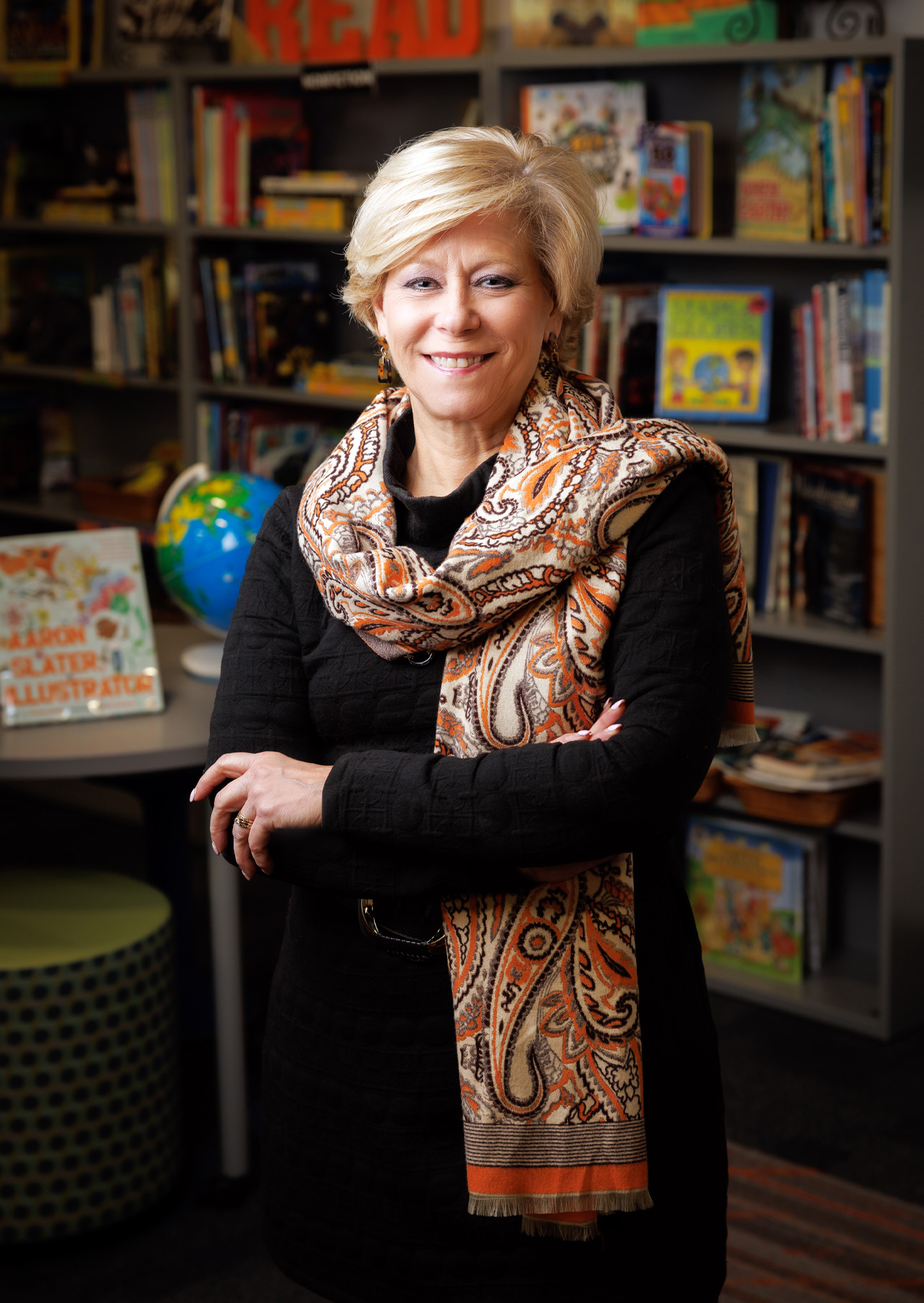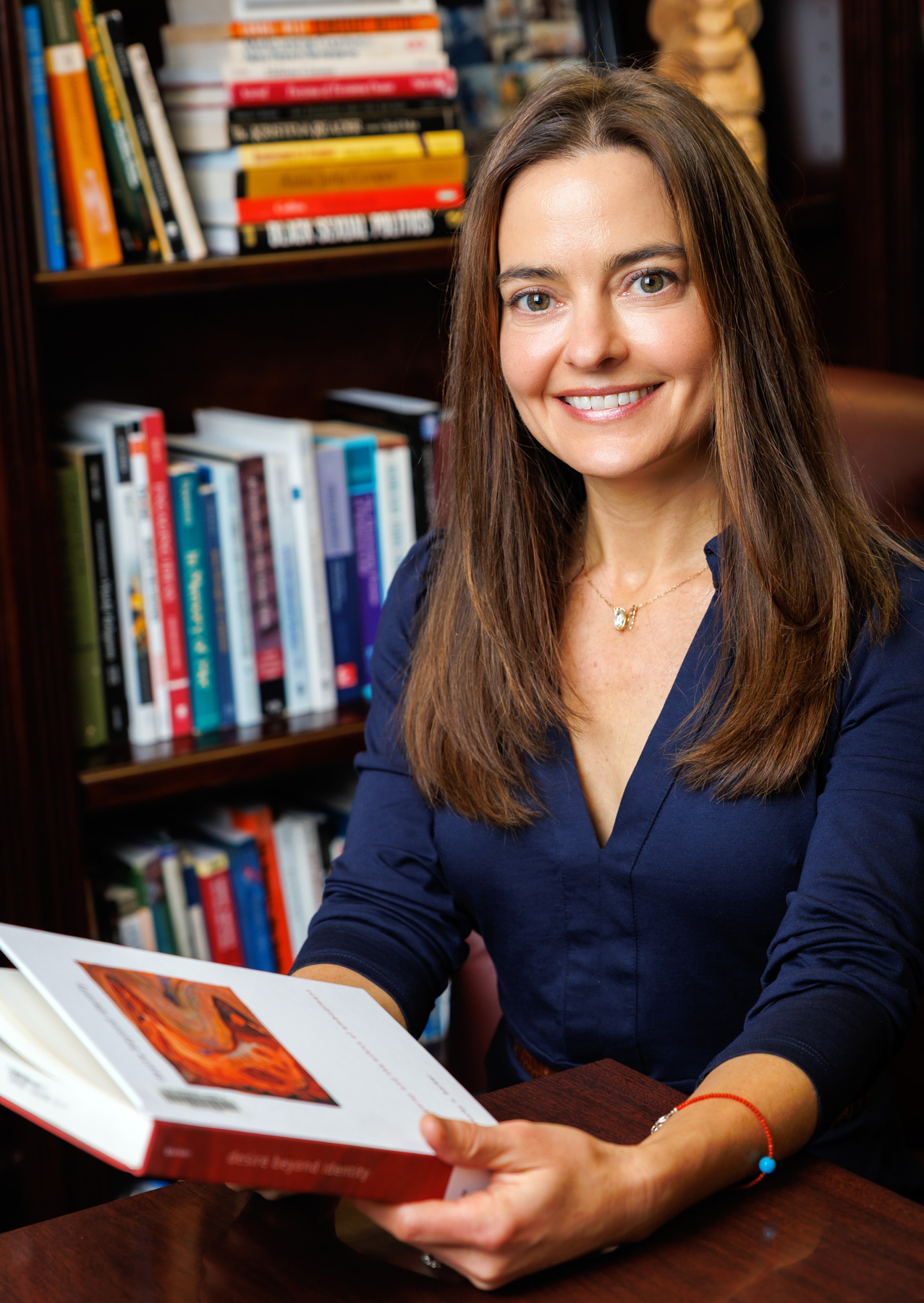
Dr. Wesley Barker
College of Professional Advancement
Mercer University Associate Professor Dr. Wesley Barker believes providing students and faculty with meaningful human connection helps them do their best work. That’s why as department chair she’s spent time creating spaces that support authentic engagement.
“In an age where technology is not only mediating human-to-human interaction but actually substituting for it, finding meaningful human connection seems to be really challenging,” said Dr. Barker, chair of the liberal studies department in the College of Professional Advancement. “At the same time, that challenge for me is almost like an ethical demand.”
Many students in the College of Professional Advancement are post-traditional learners who take classes online, with faculty spread across several campuses. Through a variety of innovations, Dr. Barker brings students and faculty closer to Mercer and to each other.
Bonnie Carlson
School of Law
Mercer University School of Law Associate Professor Bonnie Carlson traces her interest in the legal profession to a defining moment early in her college years. As a freshman at the University of Virginia, she attended a Take Back the Night vigil where classmates anonymously shared their experiences with sexual assault.
“That was an eye-opening and transformative event for me,” said Carlson, who also serves as director of experiential education at Mercer Law. “I realized that I wanted to help people who experienced similar assaults.”
From that point forward, she determined that direct legal representation would be the most effective way to make an impact.
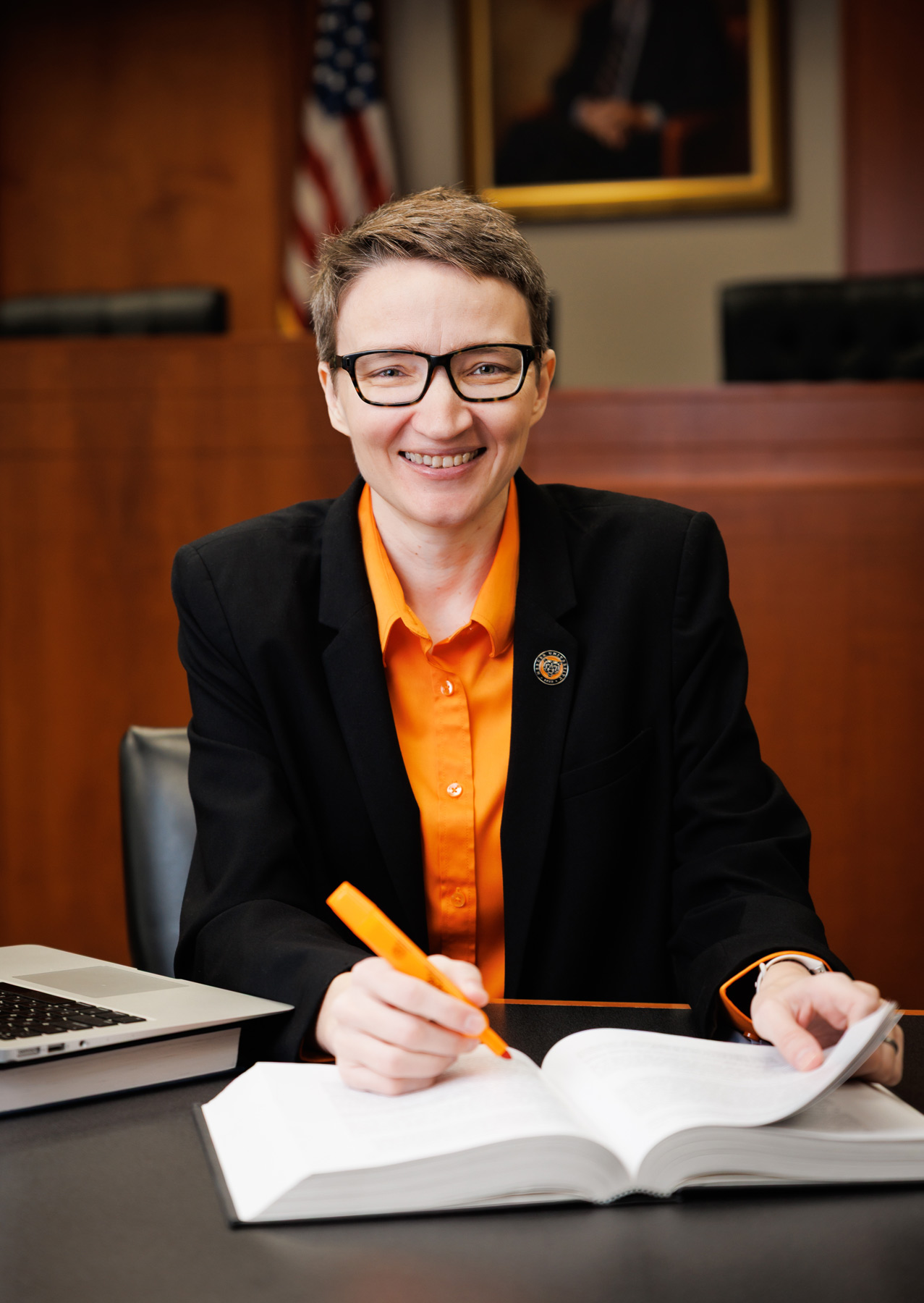
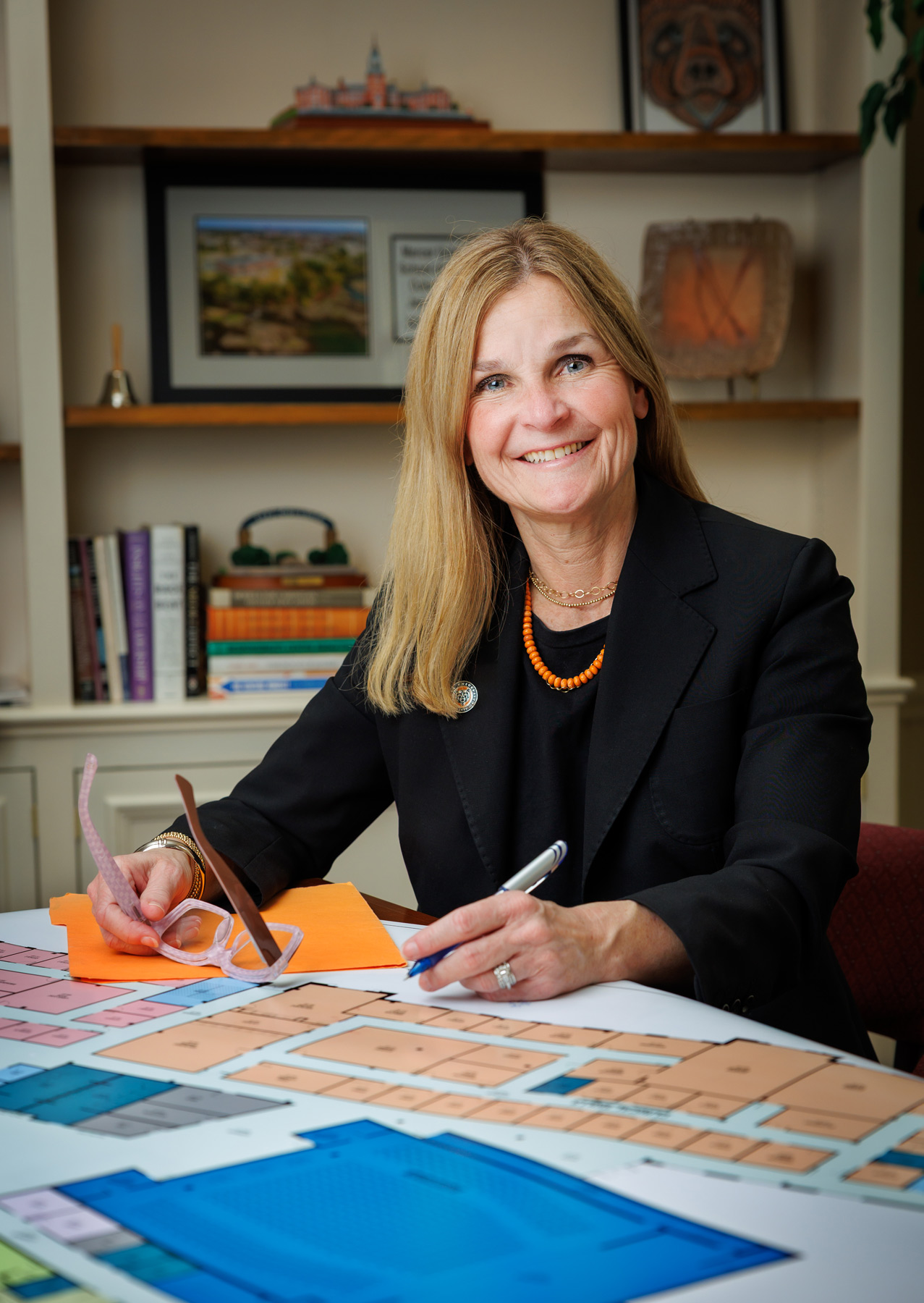
Julia Davis
Administration
Thirty years ago, Julia Davis started her career at Mercer University as an internal auditor. Through her dedication, leadership and problem-solving skills, she is now senior vice president for administration and finance — one of the University’s top officers.
Davis said she has always been “a numbers person” and declared accounting as her major early during her schooling at Georgia College & State University. She started working at Mercer after graduation while also pursuing her Master of Business Administration with an emphasis in accounting from GCSU.
Starting out in internal auditing at Mercer gave Davis a broad view of the University and taught her a lot about different offices and departments.
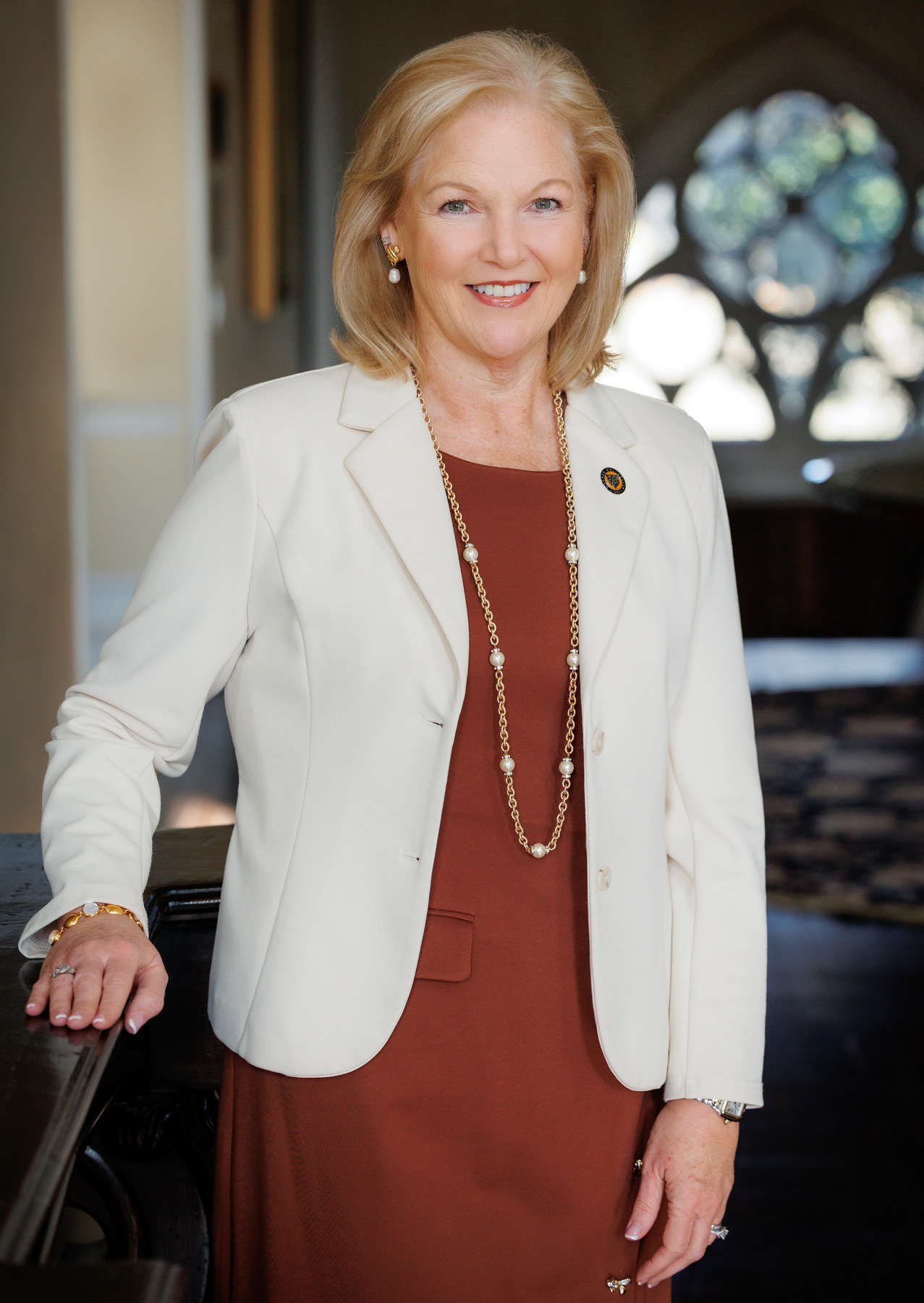
Dr. Penny L. Elkins
Administration
When Dr. Penny L. Elkins visited Mercer’s Macon campus for the first time after graduating high school, she discovered a community she knew would support, accept and challenge her. As a faculty member and senior administrator for more than 25 years and now the University’s 19th president, she has remained ambitious and eager for Mercer, seeing each new opportunity as a chance to move the University forward in its goals.
“I have always believed in people around me,” Dr. Elkins said. “I wanted to edify them. I wanted to support them. I wanted to encourage them. I wanted to challenge them to make them even better than they thought they could be.”
Dr. Elkins, a first-generation college student from Columbus, was accepted to Princeton University but chose to attend Mercer instead.
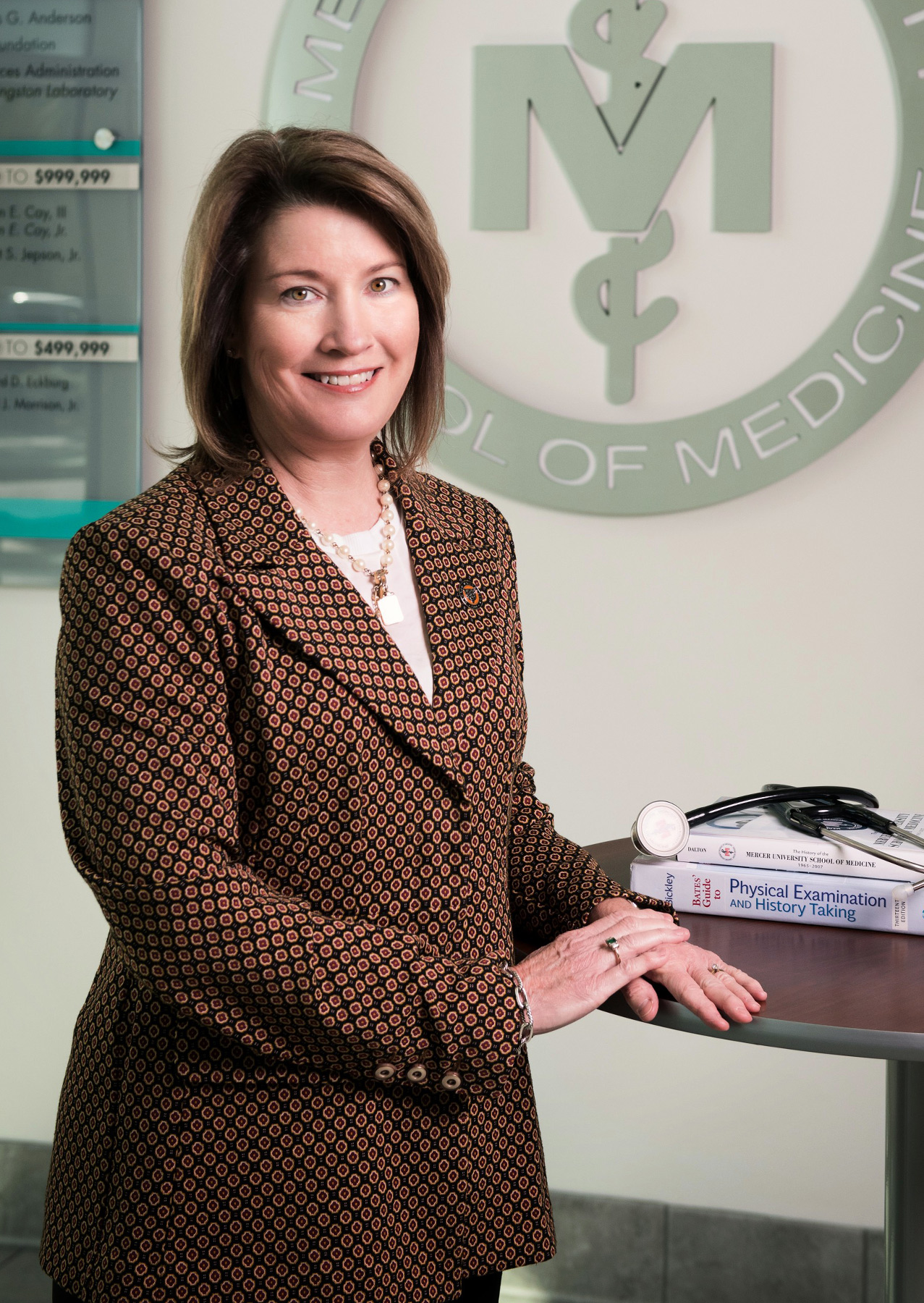
Dr. Jane Kirkpatrick
School of Medicine
For Dr. Jane Kirkpatrick, medicine has never been just a profession. It is a calling: one she describes as both a responsibility and a privilege. To care for another human life, she believes, is sacred work.
Now, after decades of serving patients in a small community and around the world, she is channeling that same sense of purpose into shaping the next generation of physicians.
As associate dean of student affairs and director of admissions on the Savannah campus of Mercer University School of Medicine, Dr. Kirkpatrick stands at a pivotal point in students’ journeys. She helps select future physicians, welcomes them at orientation and walks alongside them through each year of medical school. It is a role that perfectly blends her love of medicine, mentorship and service.
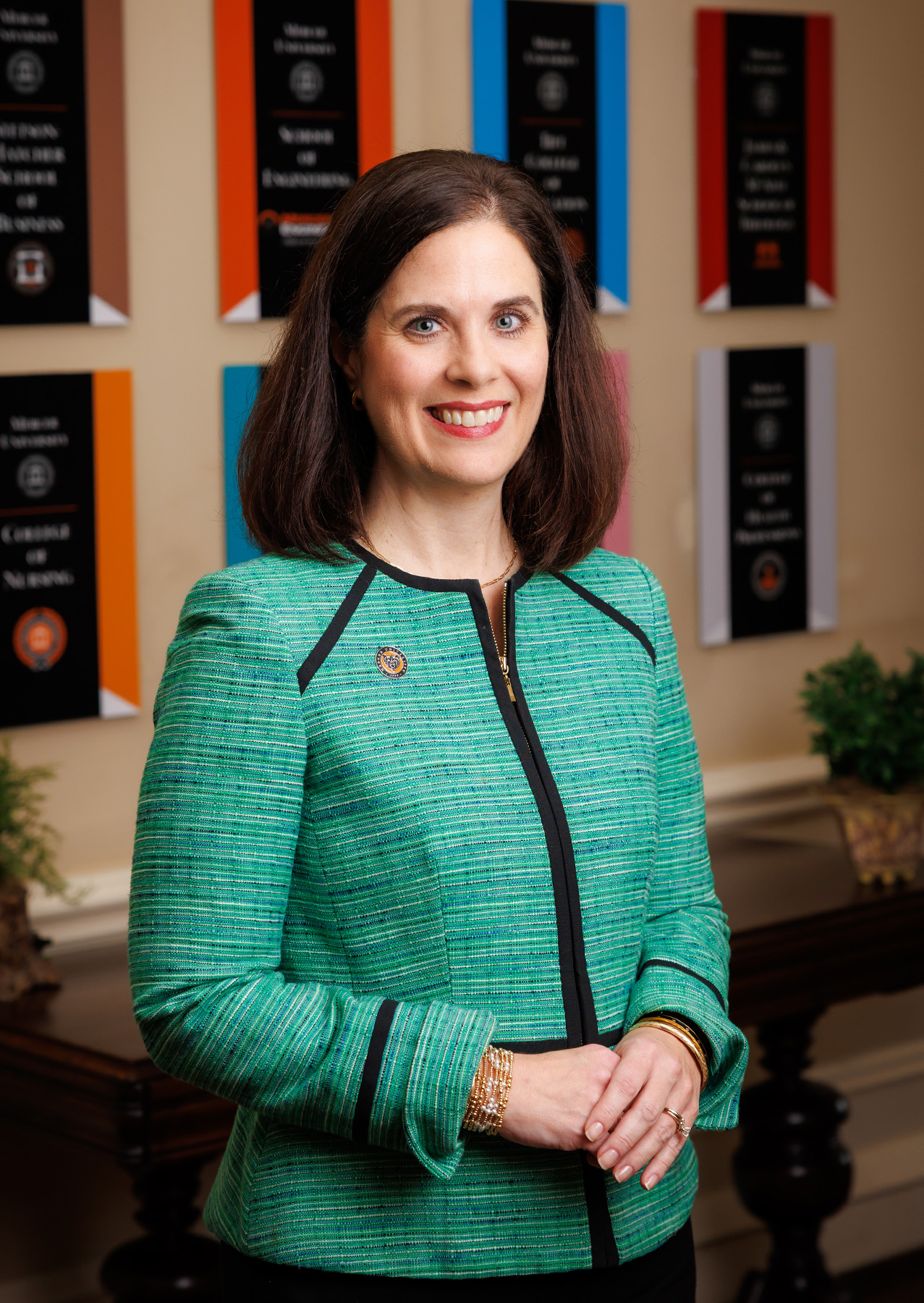
Dr. Lisa Lundquist
Administration
Provost Dr. Lisa Lundquist has put students at the heart of her work at Mercer University for the past 20 years. The University’s unique culture and commitment to student success have kept her engaged and provided her with purpose across a variety of roles.
Dr. Lundquist completed her bachelor’s degree at the University of Alabama at Birmingham, Doctor of Pharmacy at Samford University, and postgraduate residency in primary care at DCH Regional Medical Center in Alabama.
“What initially drew me to the field of pharmacy was really the unique blend of science, patient care and problem-solving that all come together in the field,” she said. “I always had an enjoyment for science and the thought about how medications work and how something at the molecular level can really change someone’s quality of life.”
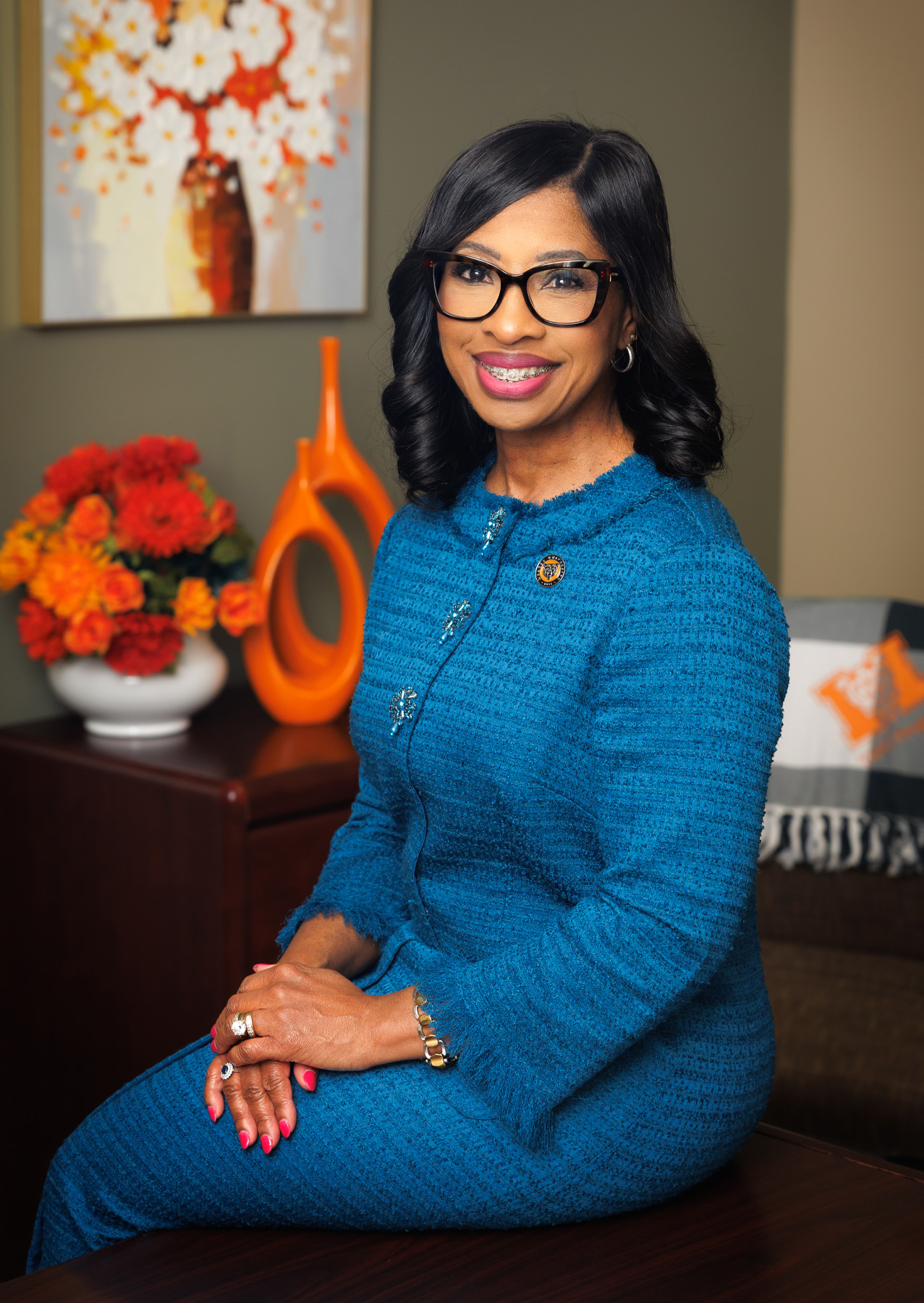
Dr. Samantha Murfree
Student Affairs
A profession she once didn’t know existed became a lifelong passion for Mercer University Associate Vice President of Student Affairs Dr. Samantha Murfree.
“Student affairs is an umbrella term that serves as a catch-all for all the ways in which we impact the lives of students from a co-curricular standpoint,” Dr. Murfree said. “One of the greatest joys I have in this field is mentoring students who have encountered challenges in our community and seeing them transformed.”
Dr. Murfree admits that student affairs is not a field most people are introduced to in high school or college. But while she was studying career counseling and development in graduate school, she said she gained meaningful experience working with college students and quickly realized how much she enjoyed it.
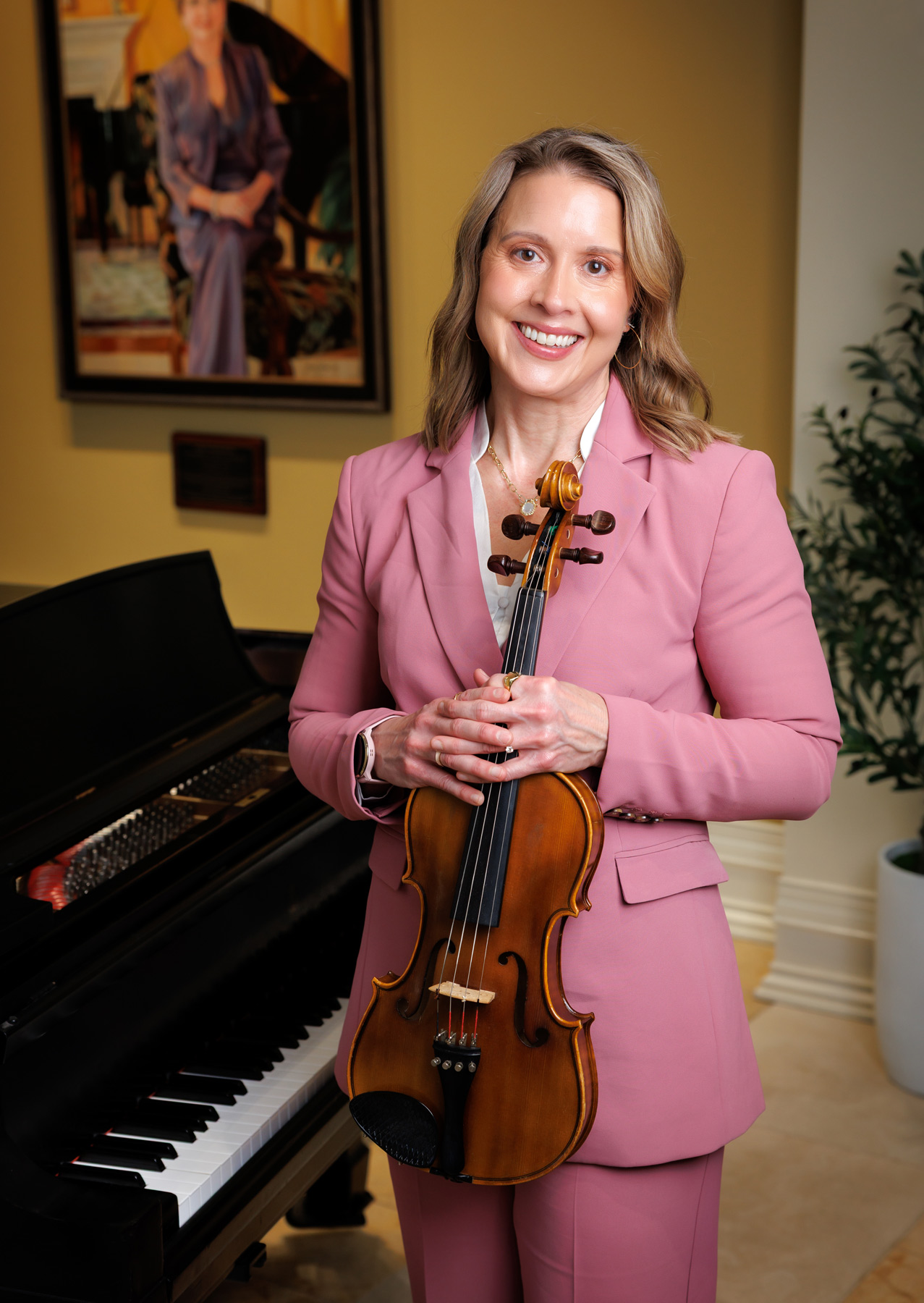
Dr. Katie Rios
School of Music
For Dr. Katie Rios, the hum of constant creation at Mercer University’s Townsend School of Music is what sparks inspiration for her teaching and scholarly work.
“Townsend School of Music is a special place, and you feel that as soon as you step in the building,” she said. “Talent fills this space. You can hear it, see it and feel it.”
Dr. Rios, associate professor of music, joined Mercer’s faculty in fall 2013, bringing with her scholarly depth and lived musical experience. A violist who has performed with orchestras including the Green Bay Symphony and the Fayetteville Symphony Orchestra, she is also a musicologist whose research explores musical borrowing, American vernacular traditions, hip-hop, ethnography and pedagogy.
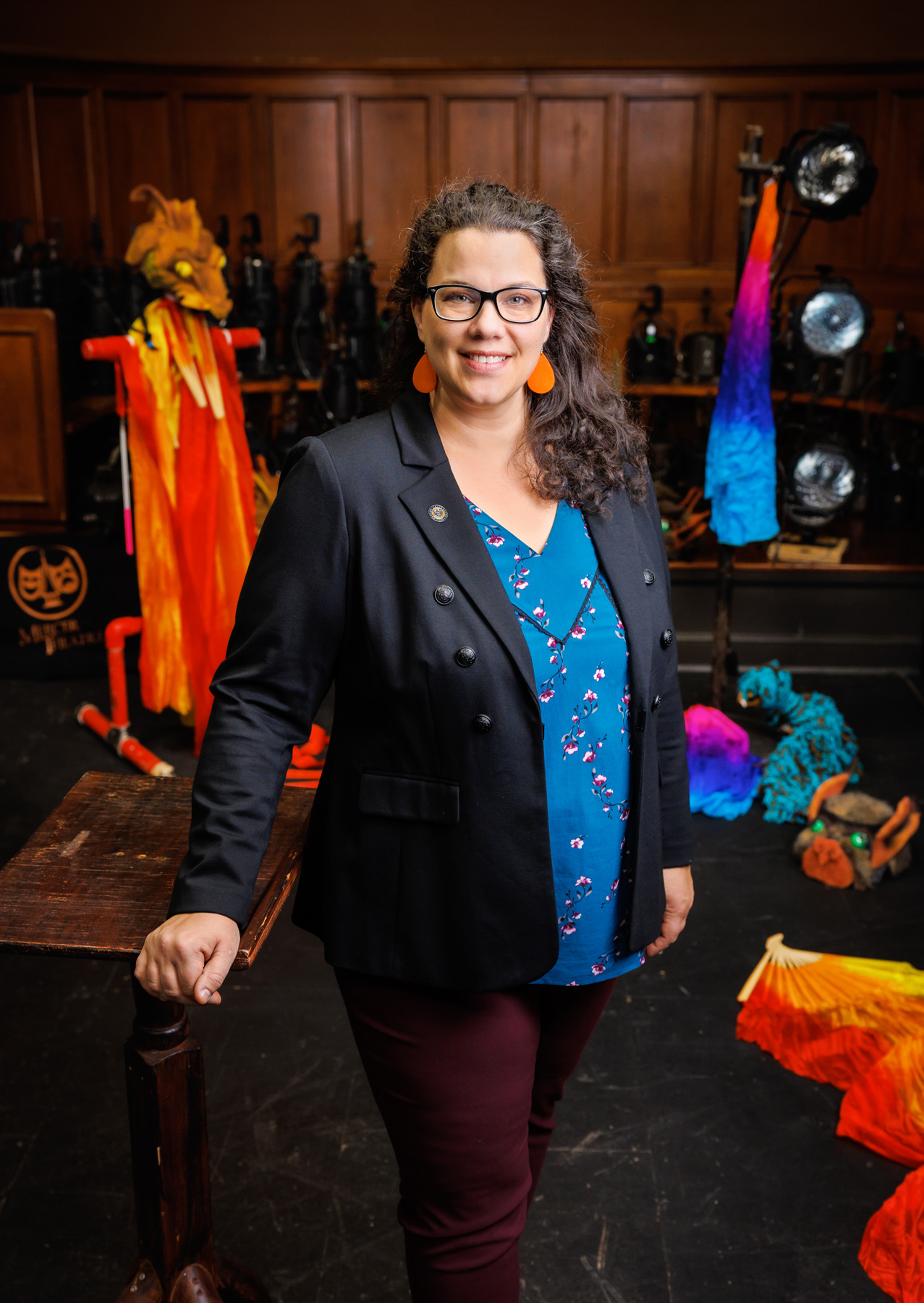
Francesca “Frani” Rollins
College of Liberal Arts and Sciences
Francesca “Frani” Rollins helps students develop a passion, curiosity and appreciation for theater and the arts. As theater director and associate professor at Mercer University, she equips young people with professional skills and experiences that they can apply to their careers or life.
Rollins started her college career as a Division I basketball recruit but found it wasn’t a good fit for her. After moving to Wesleyan University, she selected studio art as her major. During her sophomore year, a friend in theater asked her to build a large sculpture for a show.
“I built this really cool thing, and I think that’s where I fell in love with the collaborative art form,” she said. “Then junior year, I switched my major to theater and never looked back.”
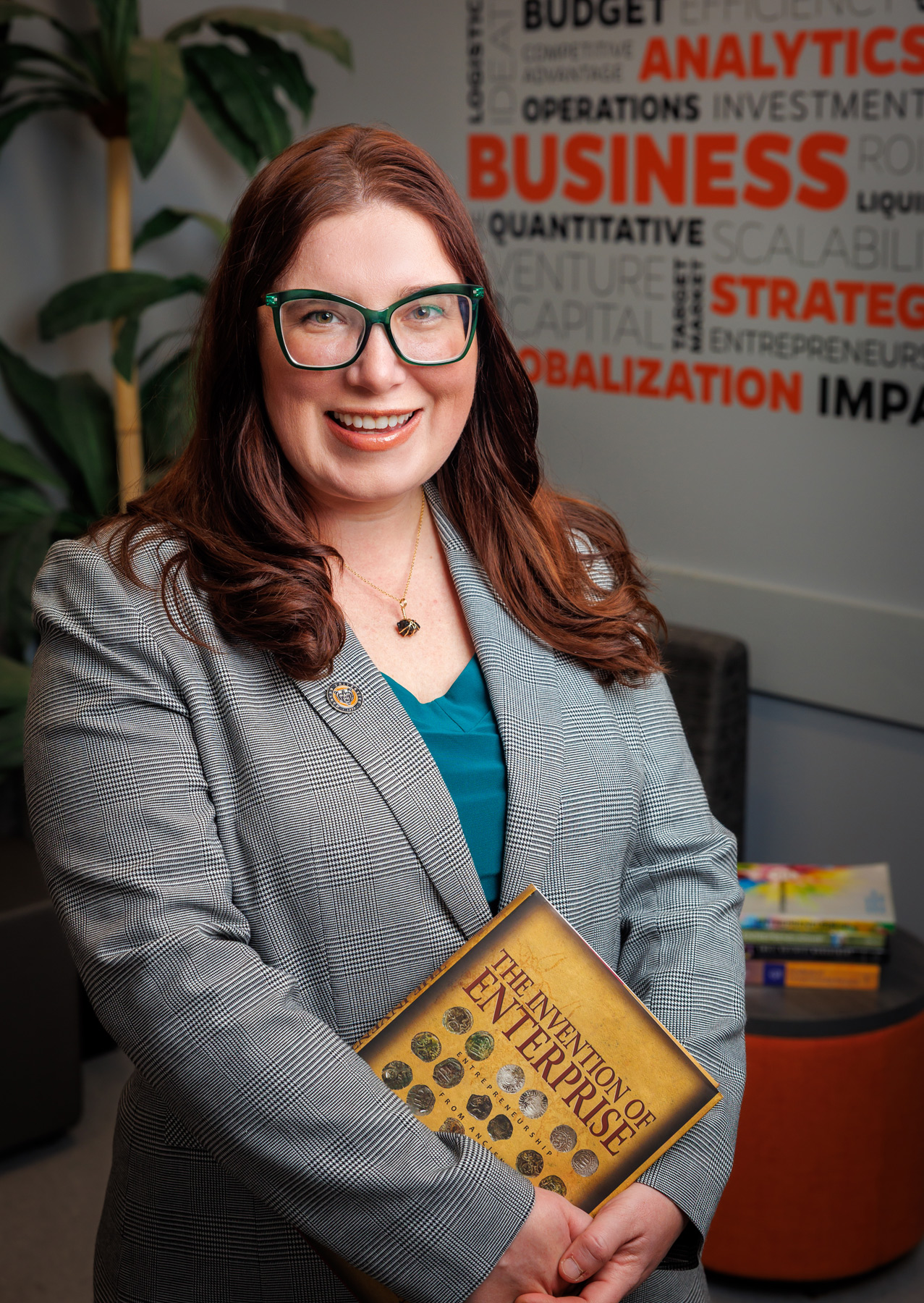
Dr. Briana Stenard
School of Business
Recognizing the importance of giving students the real-world skills they’ll need to become successful entrepreneurs, Dr. Briana Stenard approaches teaching with a spirit that demonstrates that the best learning prioritizes developing confidence and ingenuity in students.
Dr. Stenard, associate professor of management and entrepreneurship at Mercer University, joined the field of business as a way of merging her interests across social sciences and math. She fell in love with economics after taking an economic history class and decided to pursue a bachelor’s degree in economics.
After completing her undergraduate degree, she became interested in combining public policy and economics and earned a Ph.D. in strategic management. In 2010, during the aftermath of the 2008 financial crisis, Dr. Stenard wrote her dissertation on the impact of college graduates not being able to find jobs in their field.
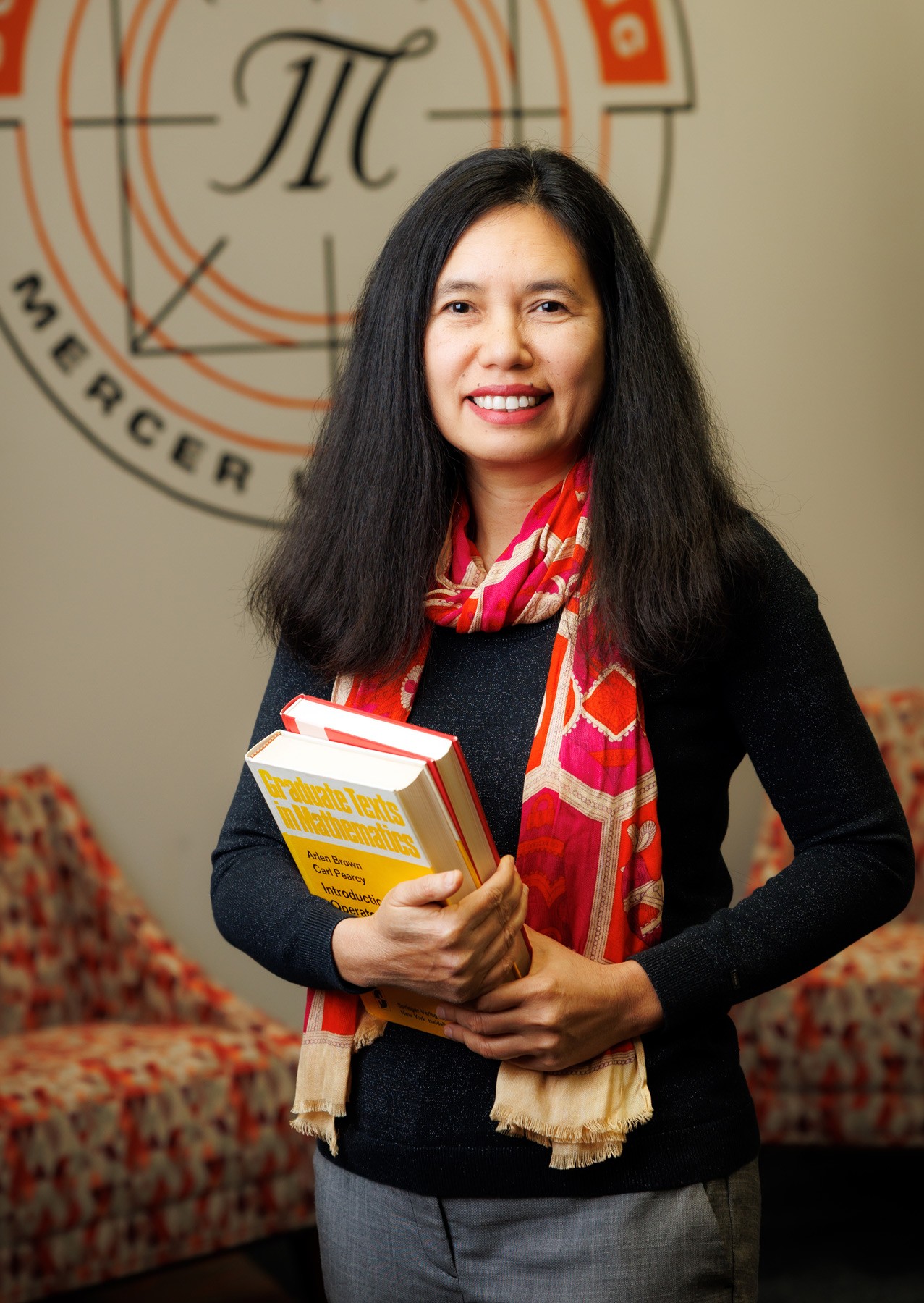
Dr. Makhin Thitsa
School of Engineering
As a professor of electrical and computer engineering at Mercer University, Dr. Makhin Thitsa accelerates progress in her field while opening doors for students to engage in mentorship that shapes their futures as engineers.
While growing up in Myanmar, she was often told subjects like math and engineering were meant for boys. When she first started studying engineering, she felt discouraged but worked hard to break that stereotype. In the process of proving that women were just as capable of engineering, Dr. Thitsa fell in love with mathematics.
“Talent helps, opportunity helps, but hard work is what carries you through. There is no substitute for hard work. But hard work only sustains you if you believe it will matter,” she said. “You have to believe that your effort can change the outcome. That you can learn and grow.”
Joy Wood
Roberts Academy
“Good morning, Roberts Academy students, teachers and staff, and how are you today on Magnificent Monday?” asks Joy Wood, head of school at Roberts Academy.
“I am extra, super grateful,” the school responds in unison. That daily call-and-response sets the tone at Roberts Academy, where gratitude and belonging are intentionally woven into its culture. For Wood, serving as the Academy’s founding head of school represents the culmination of those values, along with decades of preparation.
Roberts Academy at Mercer University, a transitional school for students with dyslexia, opened in 2024 and serves students in grades 2 through 6. Located two blocks from Mercer’s Macon campus, it is the state’s only school for dyslexic students outside of Metro Atlanta.